
 jurjen.ladeniusandClaude Opus 4.8
9faff1cfba
jurjen.ladeniusandClaude Opus 4.8
9faff1cfba
Three follow-up fixes to the per-screen music:

- Decode music in the H_TIMI VBlank interrupt (MusicVBlank) instead of
  once per Halt() in the game loops. The heavy per-step VDP work in
  ScrollDraw could overrun a VBlank, dropping the decode rate so the
  music slowed only while moving; the ISR keeps tempo steady regardless.
  The playing track is mapped into the unused bank-3 window (0xA000) and
  left there for the screen, so the ISR reads it with no bank switching
  and never races the main code's bank-2 tile/sprite swaps. PlayTrack()
  switches tracks under DI/EI. The game loops revert to plain Halt()s.

- PlayTrack() mutes the OPLL (key-off all 9 channels) before starting the
  next track, silencing the note that lingered across screen changes.

- TitleScreen()/ShowHints() zero the hardware scroll offset before drawing
  their absolute-coord images. Gameplay rests at g_BaseX/g_BaseY in
  {0,64,128,192}; without the reset the returning title/hints screen
  appeared horizontally shifted (only after finishing on a non-zero base).

Co-Authored-By: Claude Opus 4.8 <noreply@anthropic.com>

MSXgl is a Game Library wrote in C and targeting MSX computers.
The purpose of this library is to provide C programmers with the whole set of functionalities to make a game with high performance. Even though a C program can never be as efficient as a program written entirely in assembler, the goal is to try to get as close as possible.
To achieve this goal, the library is dynamically compiled to allow the user to configure the functionalities to best suit his needs. Also, the most expensive features are written in assembler.
The other goal was to create a library that is totally independent of the BIOS. This makes it much easier to use the 16K of page 0. The library also provides interrupt handling code to create ROMs that always remain on page 0.
Many sample programs are available to demonstrate the different features of the library.
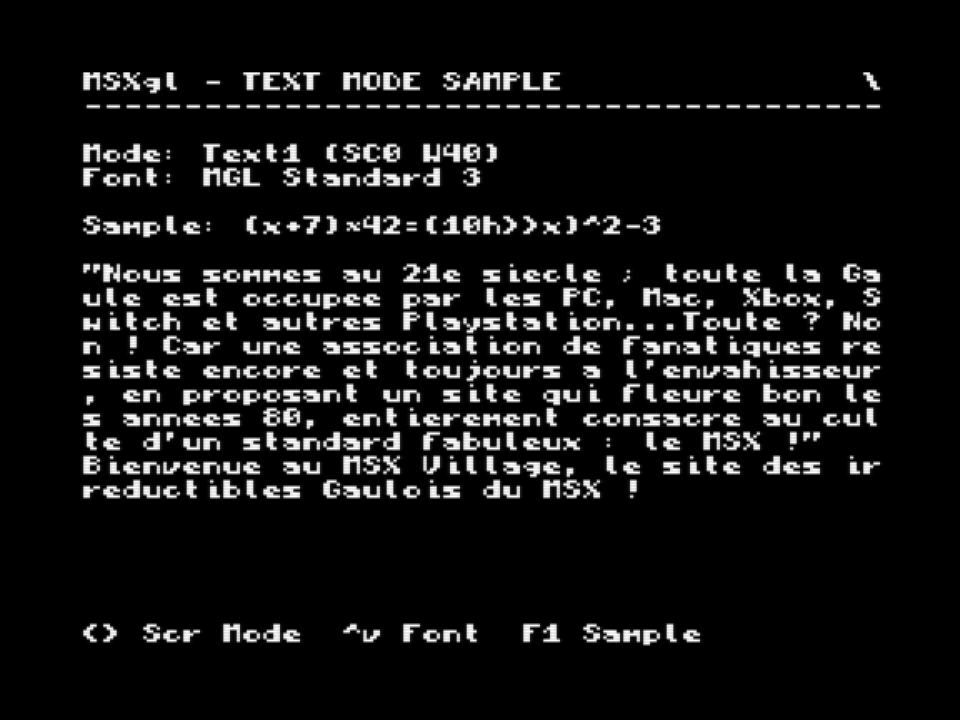
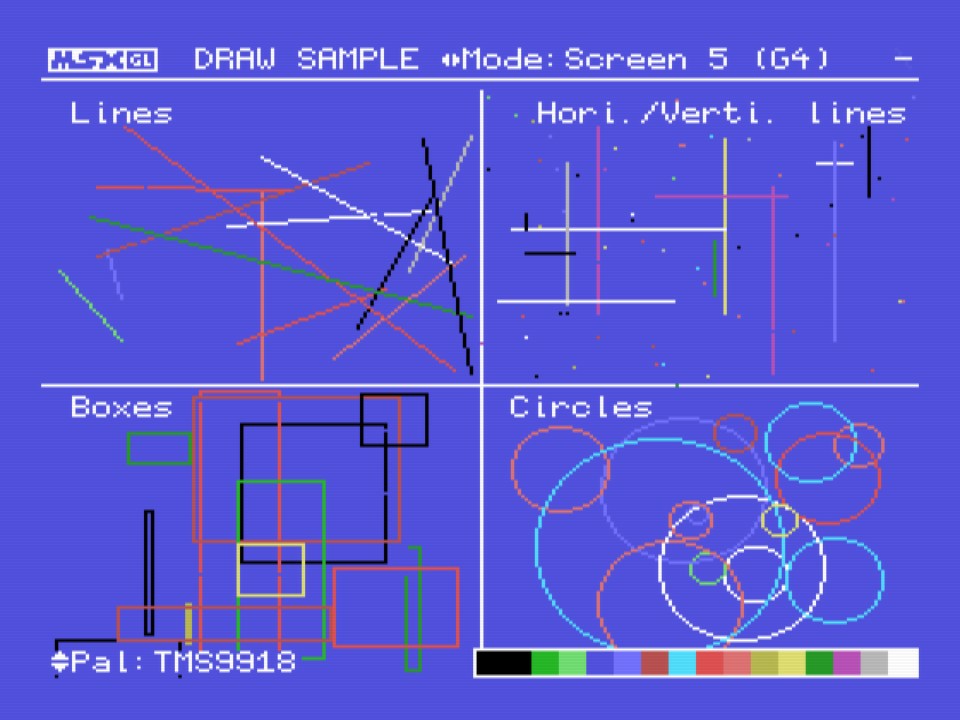
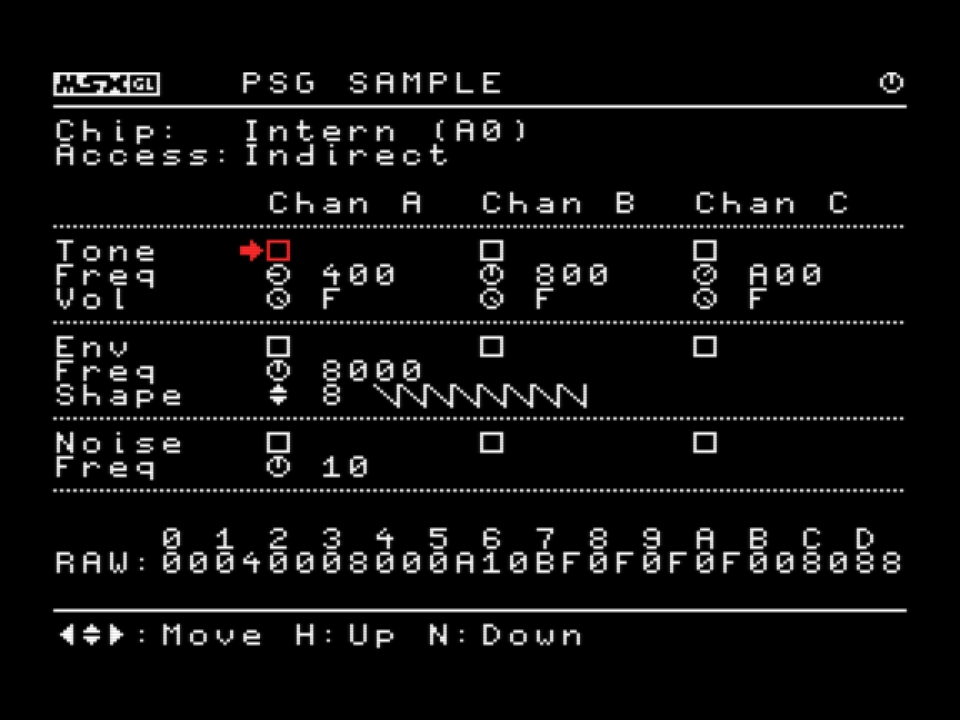
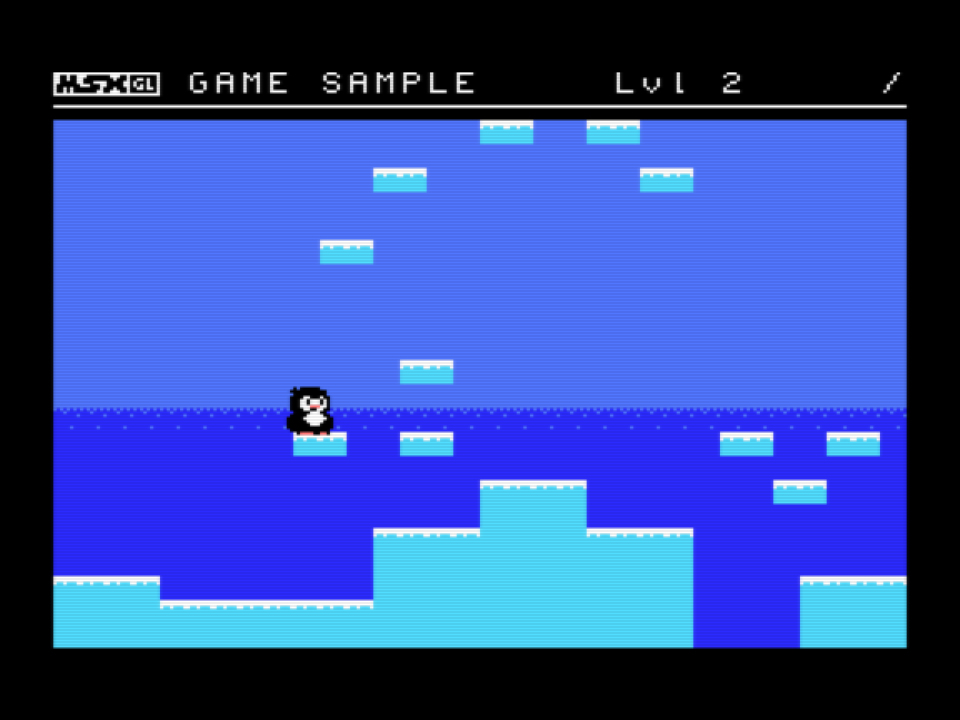
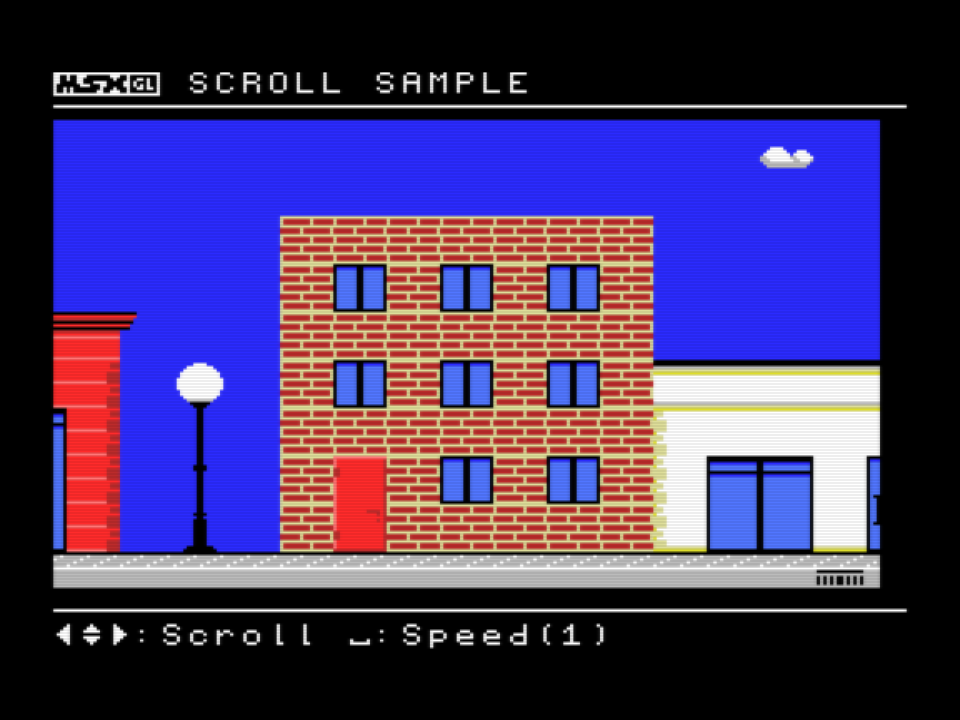
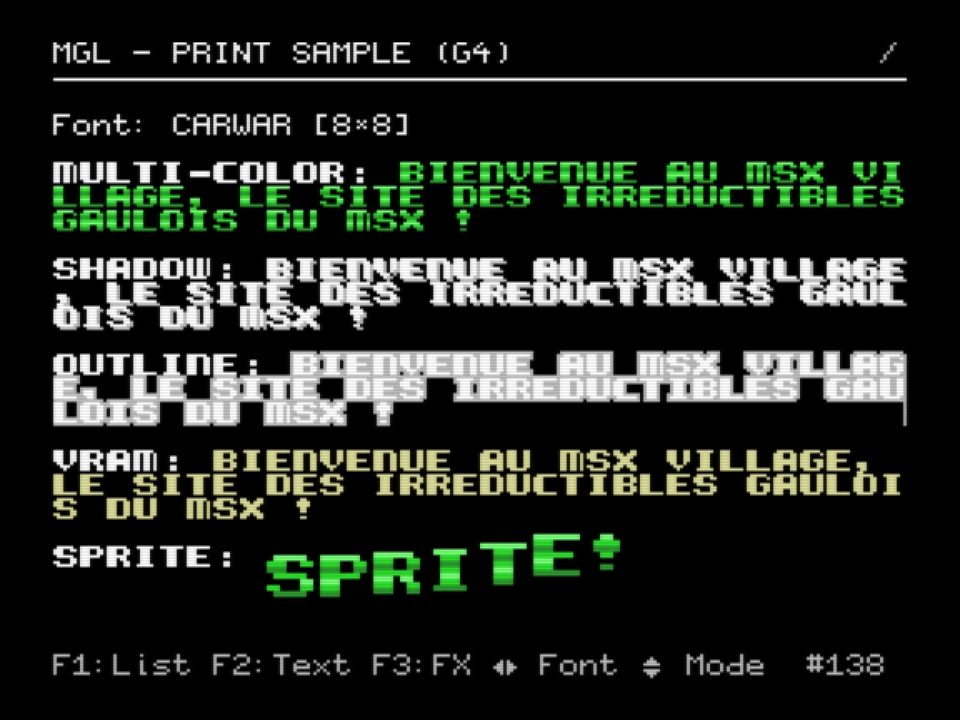
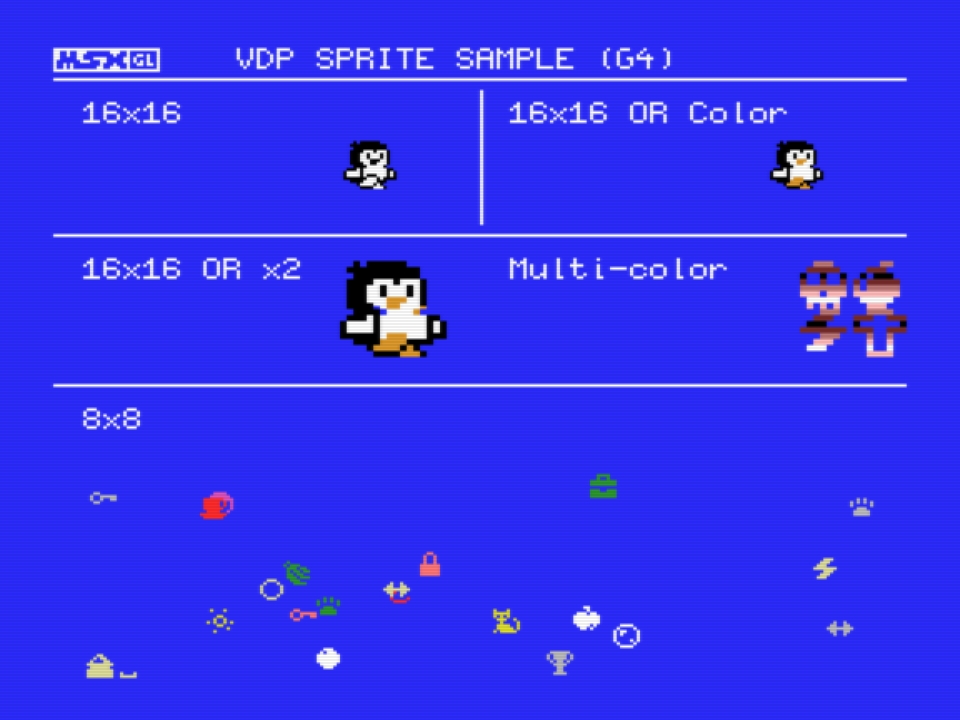
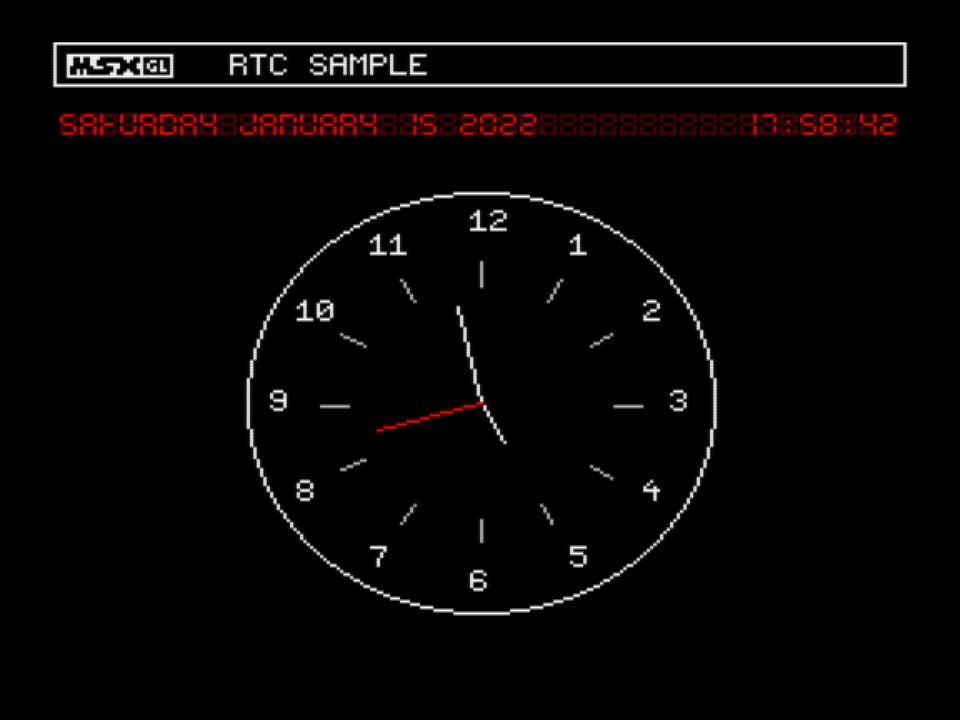
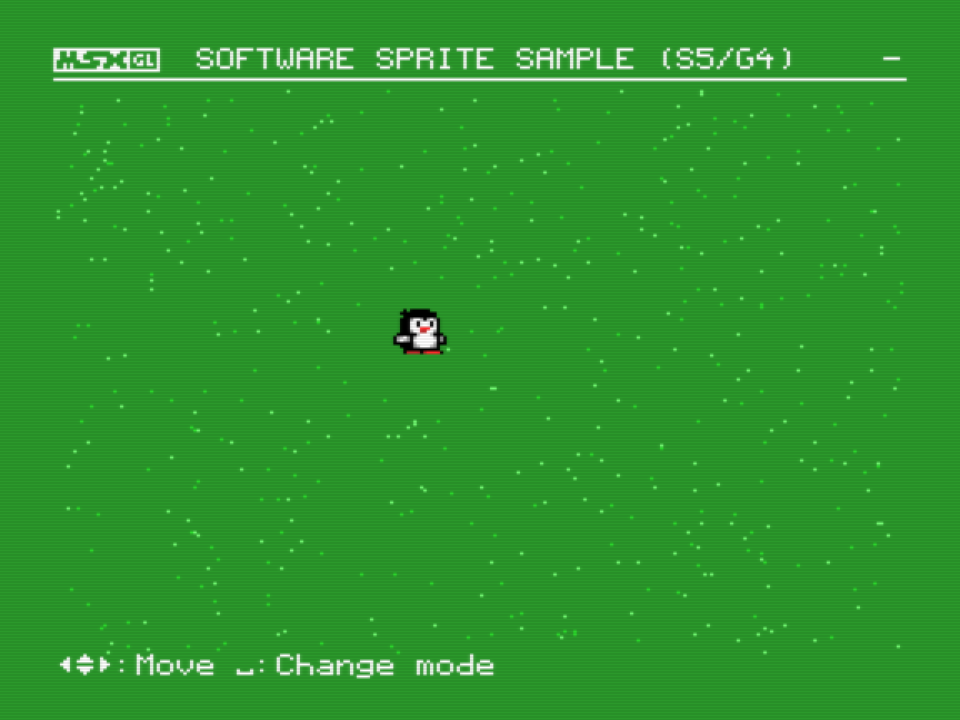
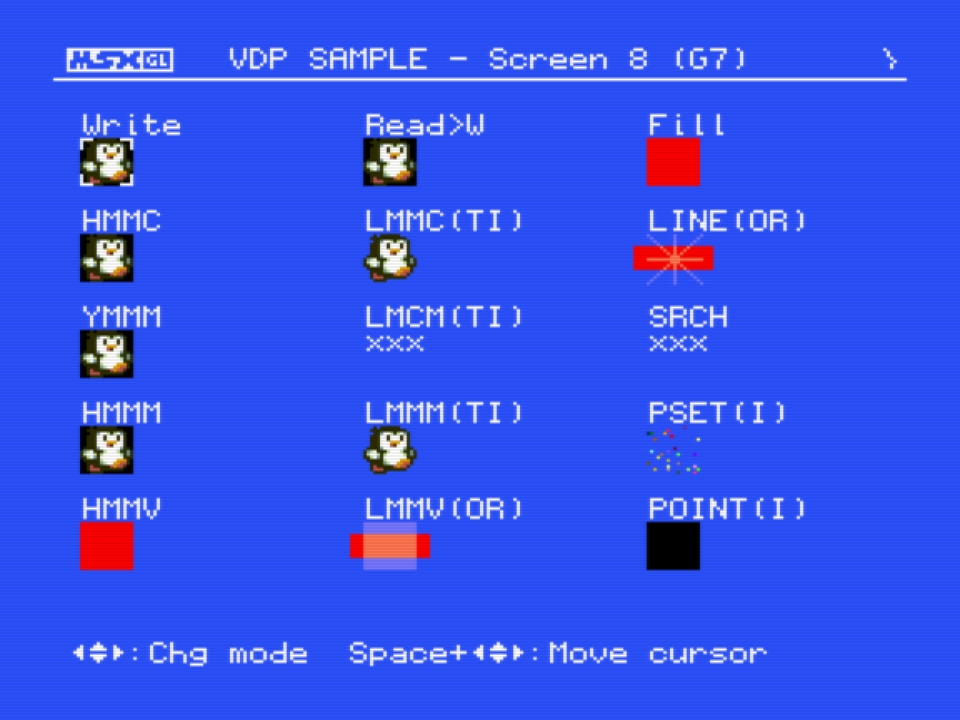
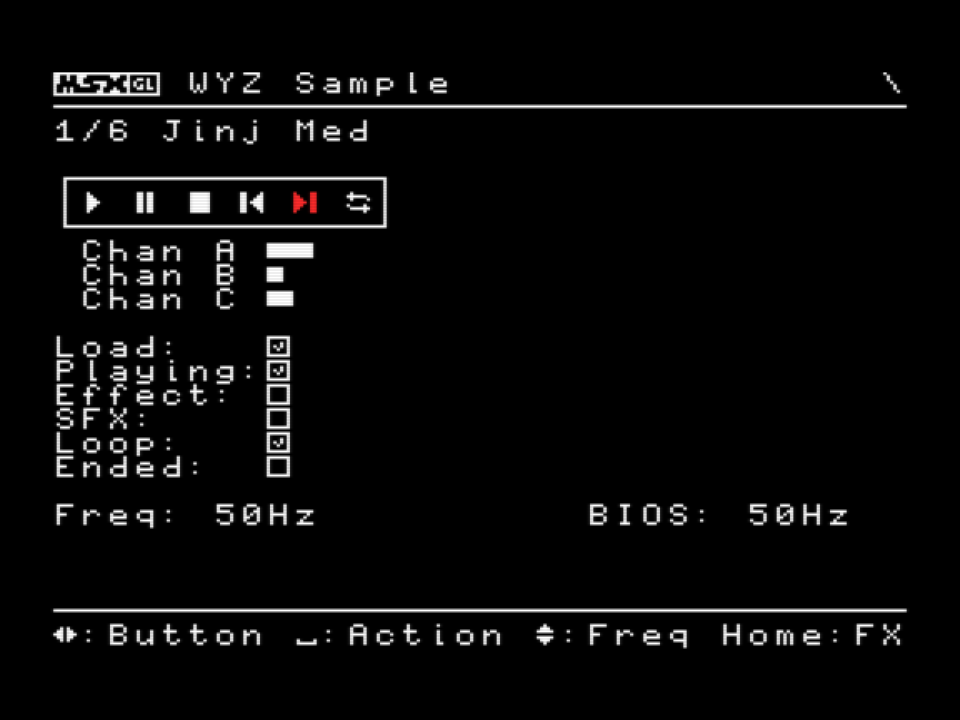
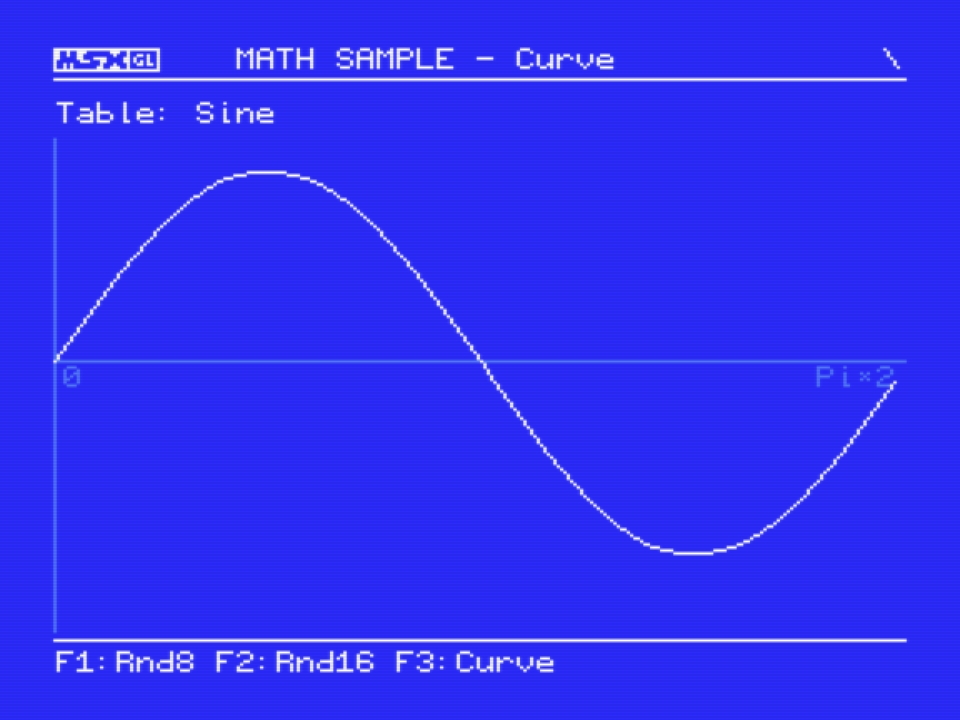
The MSXgl Build Tool allows you to create a final program for a large number of formats with just 1 click:
- Plain ROM from 8K to 64K (interrupt handler can be installed in page 0),
- Mapped ROM from 64K to 4096K (ASCII-8, ASCII-16, Konami and Konami SCC mappers),
- MSX-DOS 1 or 2 binary program,
- BASIC binary program.
The library supports the following devices:
- VDP (TMS9918, V9938 and V9958) and V9990,
- PSG (AY-3-8910), MSX-Music, MSX-Audio, Konami SCC,
- Keyboard, Joystick, Mouse and Ninja Tap (4 joysticks adaptator),
- ROM mapper, slot manager, and Real Time Clock (RP-5C01).
Here are also the supported audio formats:
- Arkos Tracker 2 (AKG, AKY and AKM)
- Trilo Tracker SCC
- Vortex Tracker II (PT3)
- WYZ Tracker (WYZ)
- ayFX
- VGM (for all supported audio chip)
- lVGM (a light-VGM format for for all supported audio chip)
- PCM-Encoder (aka. Crystal clean PCM 8bit samples on the poor PSG)
Many thanks to the members of the MSX Resource Center and MSX Village who have been very helpful. The library is distributed under the Creative Commons BY-SA license. Tools or sources from other authors may use another free license.
Documentation:
- Code documentation: /engine/doc/html/ or https://aoineko.org/msxgl-doc
- Library documentation: https://aoineko.org/msxgl
If you have any question, feel free to join the MSXgl Discord server.
This work is licensed under CC BY-SA 4.0

