
 jurjen.ladeniusandClaude Opus 5
45749775fa
jurjen.ladeniusandClaude Opus 5
45749775fa
Stage 1 (shop scene, customer, siphon brew minigame, serve loop) and the
M2 day spine: day counter, three-phase day, event-driven clock, journal
line, and a SaveState with magic/version/checksum.

Saving to disk is NOT working yet. A cartridge ROM can reach the Disk ROM
only from RAM (both PHYDIO and CALSLT switch page 1 out from under the
caller), and ROMDelayBoot is required so the Disk ROM's INIT runs at all.
With both in place the disk is detected, but sector I/O returns carry-clear
without transferring — proven with a sentinel. Probe now verifies the
buffer actually changed, so a non-working disk degrades to "no save"
rather than corrupting anything. Full findings in the project CLAUDE.md.

Also documented: keyboard reads need interrupt protection (the BIOS ISR
scans the matrix too), and BankedCall must stay off until banked data
exists.

Docs: PLAN.md (ten milestones, per-stage requirements, decision queue),
SCRIPT.md (all four character arcs, 60 beats, checked against the
26-character box), and amendment notes in DESIGN.md.

Co-Authored-By: Claude Opus 5 <noreply@anthropic.com>

MSXgl is a Game Library wrote in C and targeting MSX computers.
The purpose of this library is to provide C programmers with the whole set of functionalities to make a game with high performance. Even though a C program can never be as efficient as a program written entirely in assembler, the goal is to try to get as close as possible.
To achieve this goal, the library is dynamically compiled to allow the user to configure the functionalities to best suit his needs. Also, the most expensive features are written in assembler.
The other goal was to create a library that is totally independent of the BIOS. This makes it much easier to use the 16K of page 0. The library also provides interrupt handling code to create ROMs that always remain on page 0.
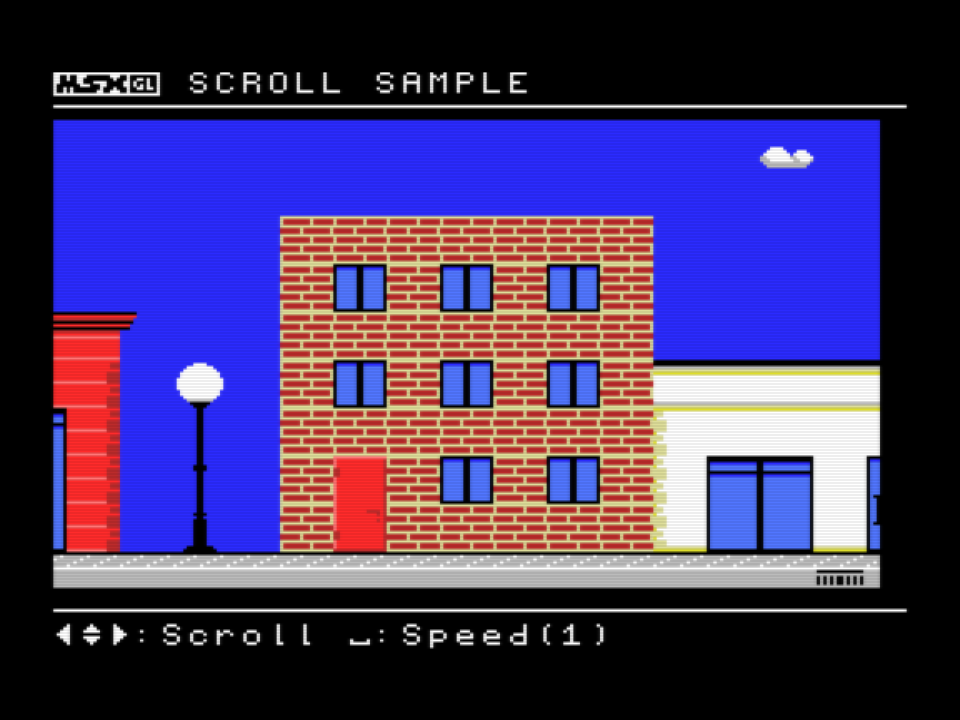
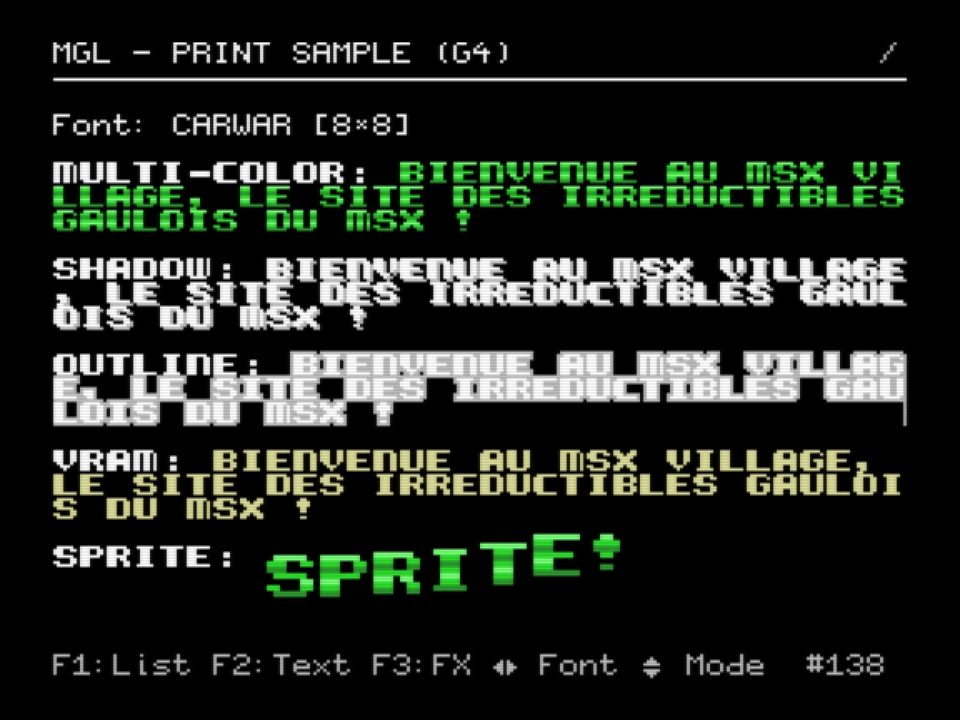
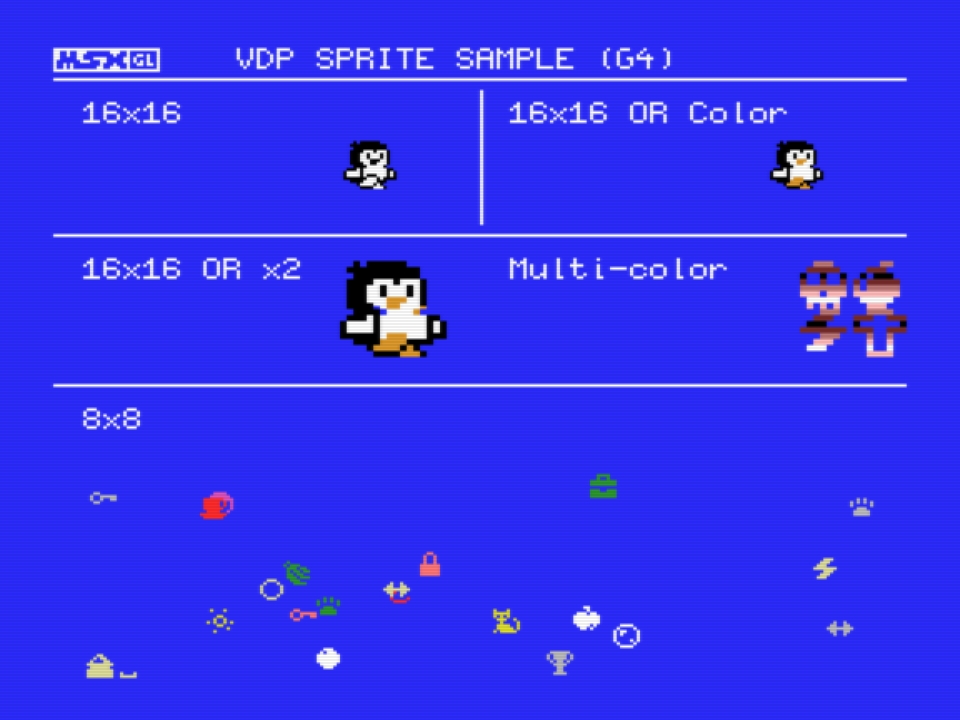
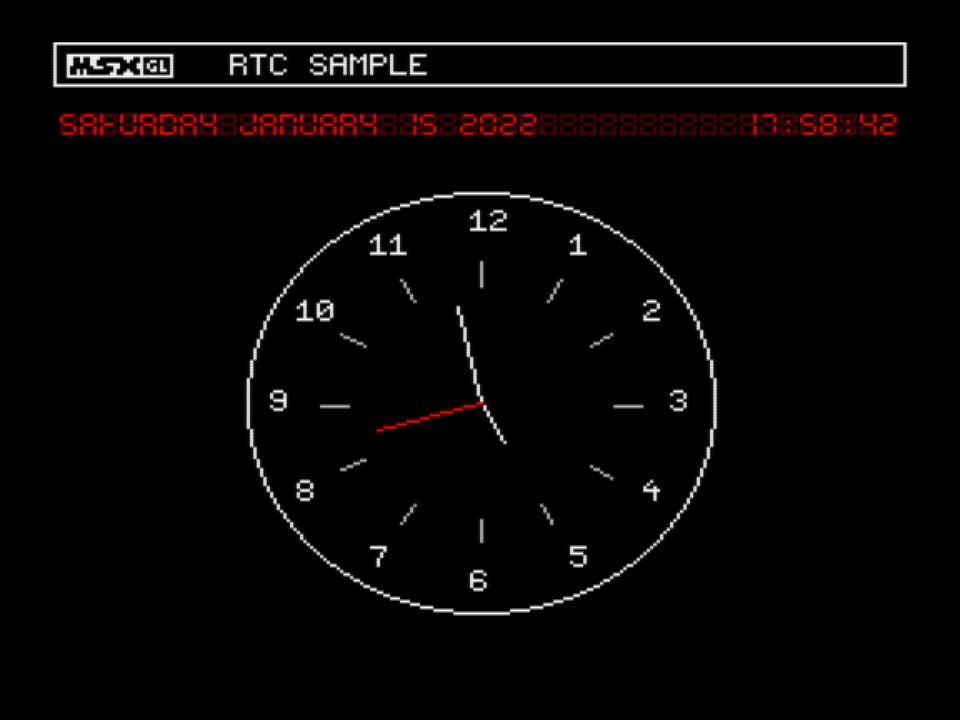
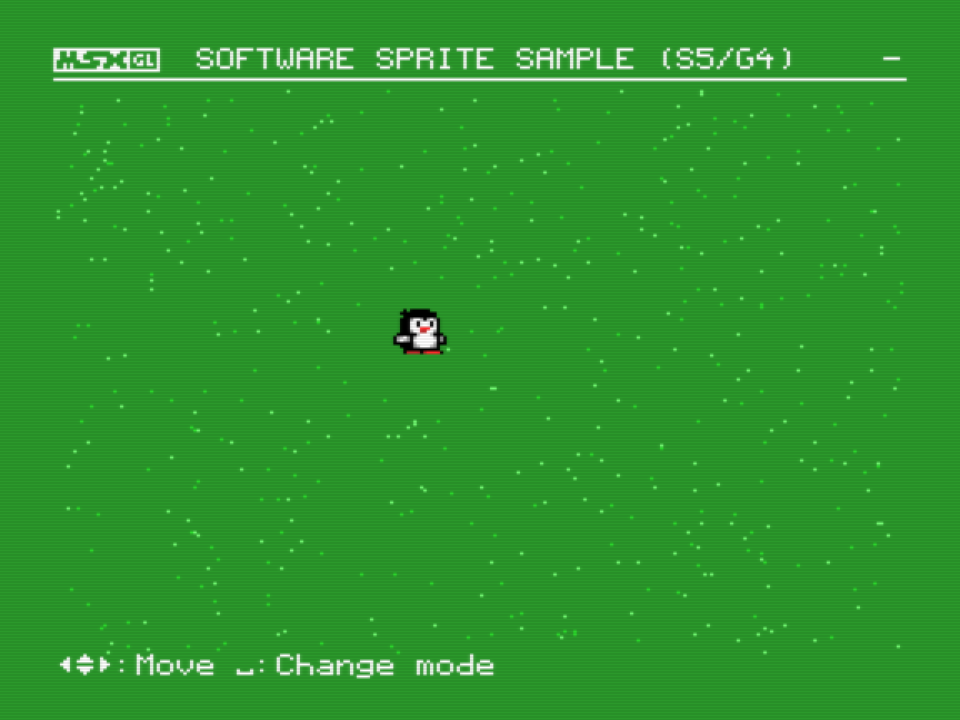
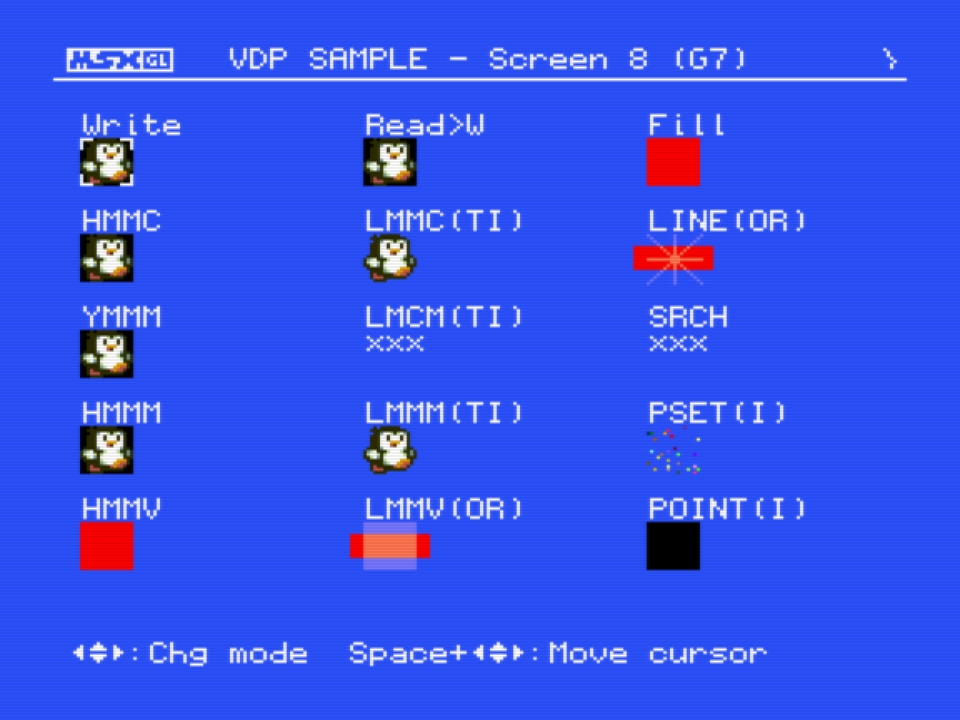
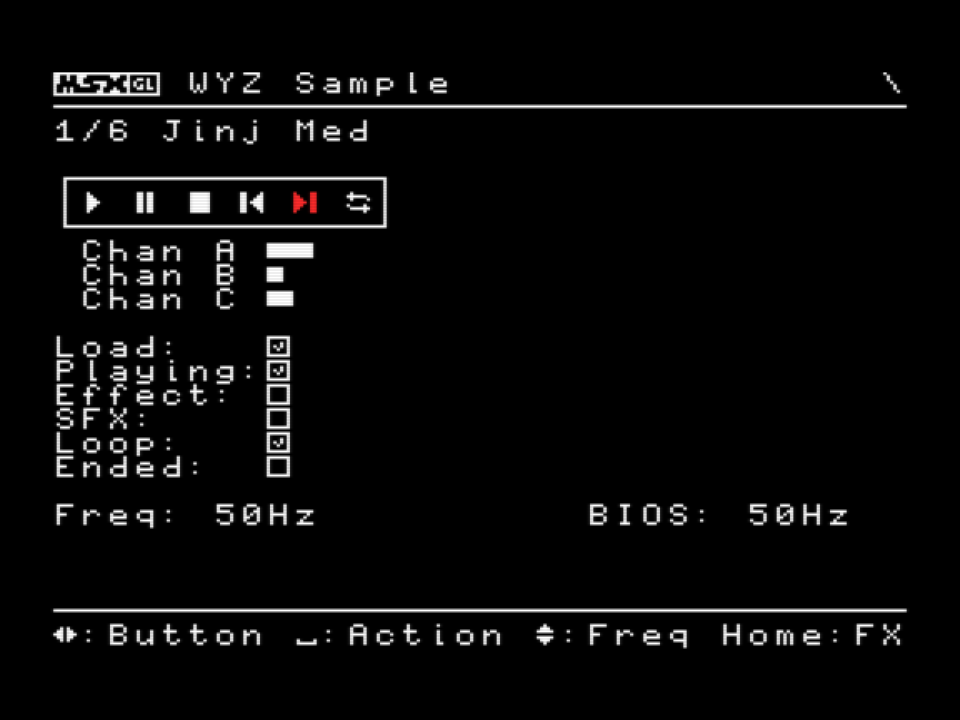
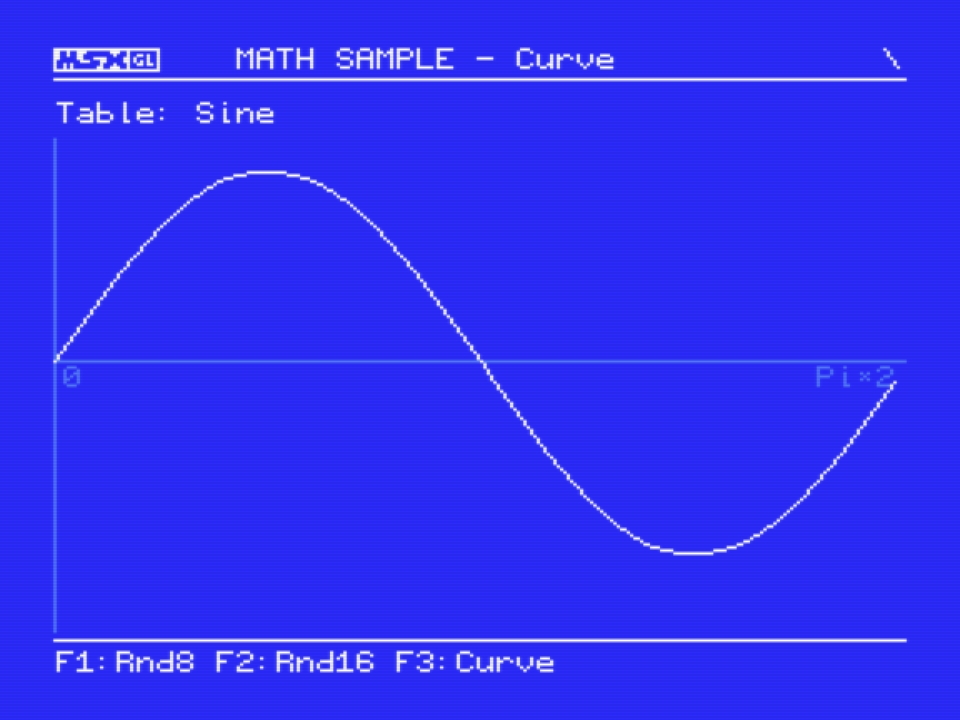
Many sample programs are available to demonstrate the different features of the library.
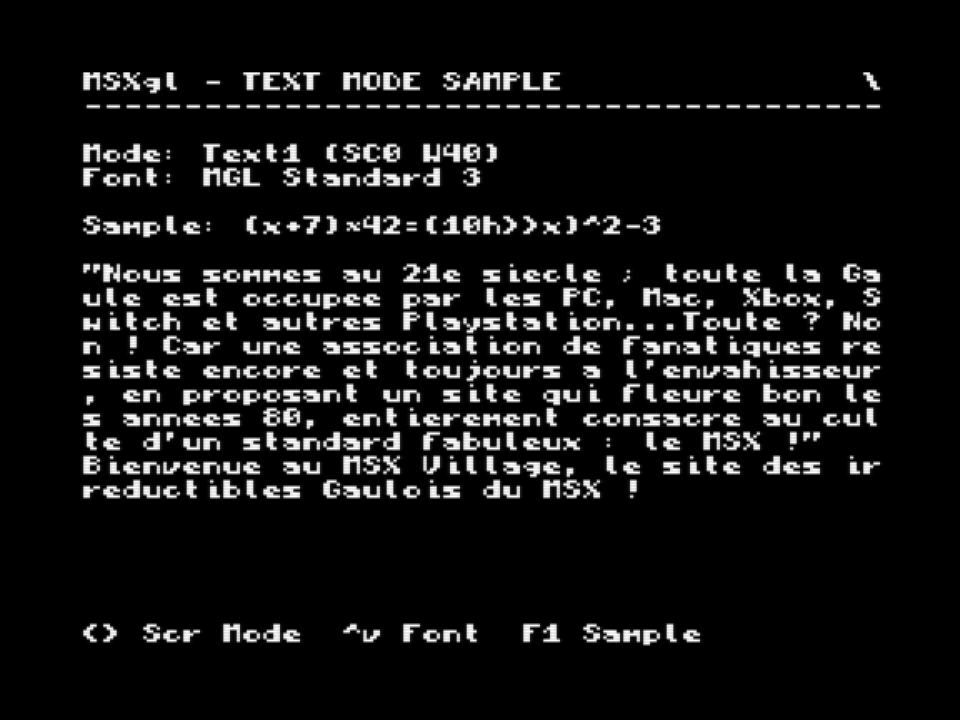
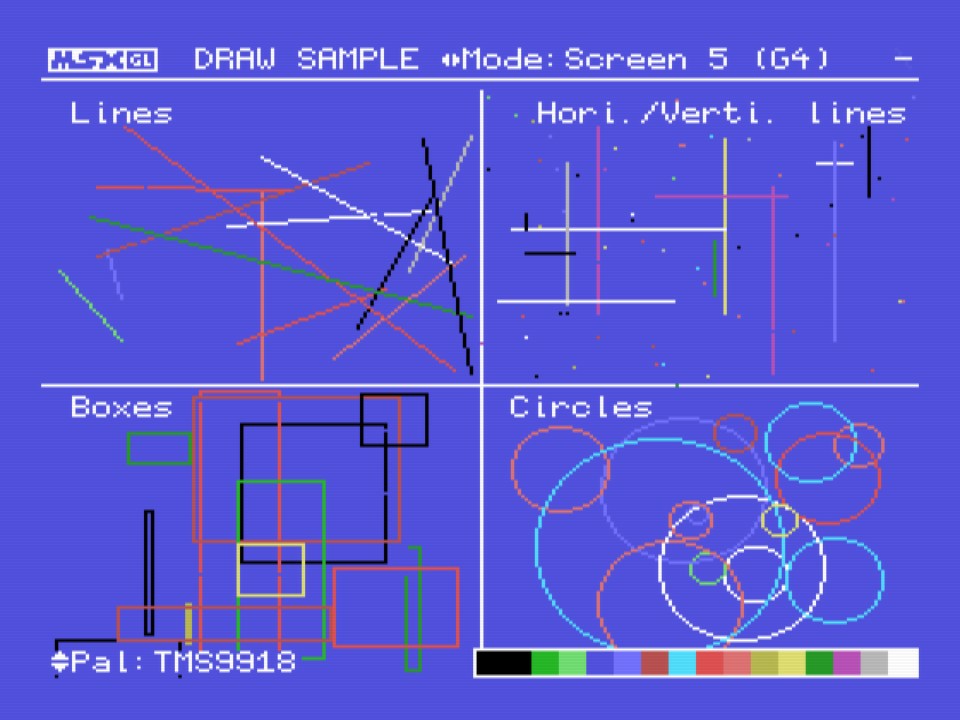
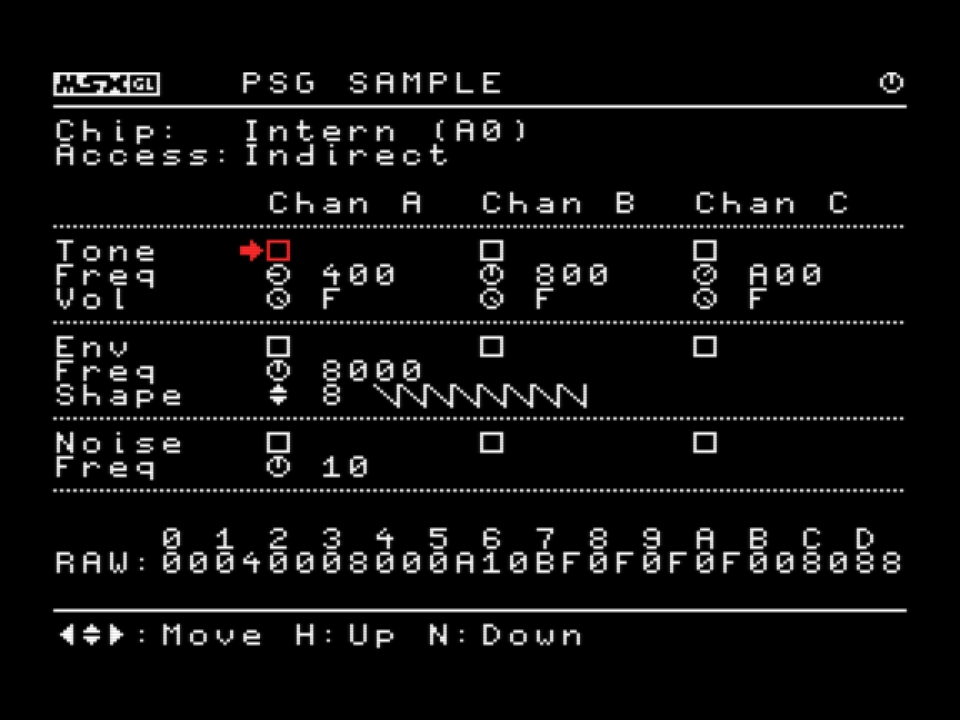
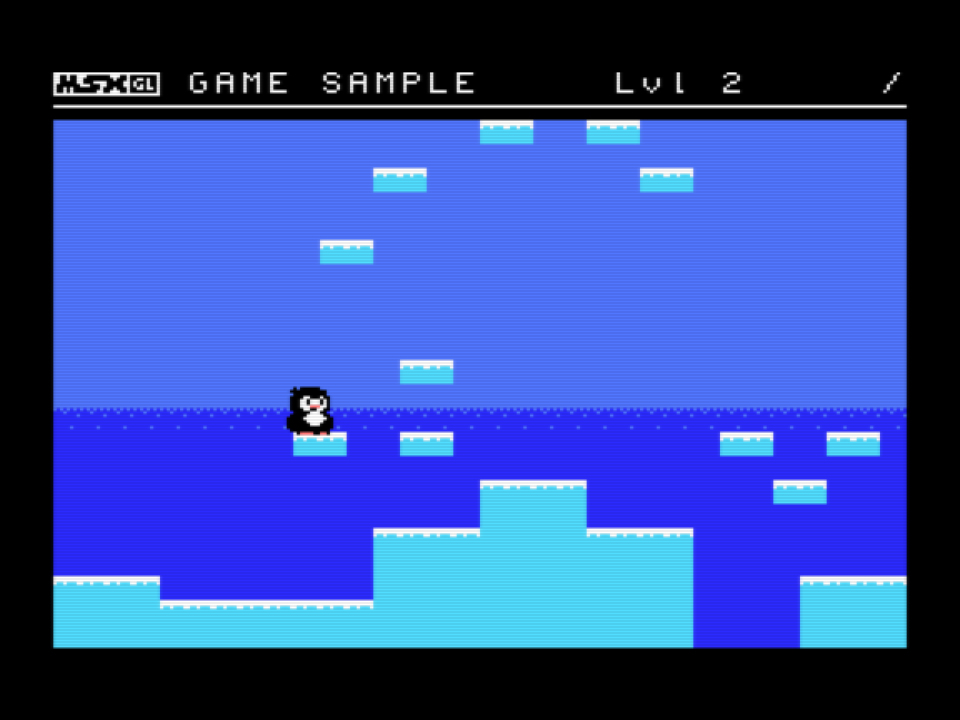
The MSXgl Build Tool allows you to create a final program for a large number of formats with just 1 click:
- Plain ROM from 8K to 64K (interrupt handler can be installed in page 0),
- Mapped ROM from 64K to 4096K (ASCII-8, ASCII-16, Konami and Konami SCC mappers),
- MSX-DOS 1 or 2 binary program,
- BASIC binary program.
The library supports the following devices:
- VDP (TMS9918, V9938 and V9958) and V9990,
- PSG (AY-3-8910), MSX-Music, MSX-Audio, Konami SCC,
- Keyboard, Joystick, Mouse and Ninja Tap (4 joysticks adaptator),
- ROM mapper, slot manager, and Real Time Clock (RP-5C01).
Here are also the supported audio formats:
- Arkos Tracker 2 (AKG, AKY and AKM)
- Trilo Tracker SCC
- Vortex Tracker II (PT3)
- WYZ Tracker (WYZ)
- ayFX
- VGM (for all supported audio chip)
- lVGM (a light-VGM format for for all supported audio chip)
- PCM-Encoder (aka. Crystal clean PCM 8bit samples on the poor PSG)
Many thanks to the members of the MSX Resource Center and MSX Village who have been very helpful. The library is distributed under the Creative Commons BY-SA license. Tools or sources from other authors may use another free license.
Documentation:
- Code documentation: /engine/doc/html/ or https://aoineko.org/msxgl-doc
- Library documentation: https://aoineko.org/msxgl
If you have any question, feel free to join the MSXgl Discord server.
This work is licensed under CC BY-SA 4.0

